

Utah is known for its intense summers—clear skies, relentless sun, and weeks where temperatures easily hit the mid-90s or higher. These conditions, combined with low humidity, strong afternoon winds, and dramatically fluctuating day-to-night temperatures, can be hard on any outdoor structure, especially fences. If you’re considering installing a vinyl fence in Utah or a composite fence in Utah, understanding how each material performs in these real-world conditions is essential for making a strong investment in your property. Here’s a direct, side-by-side breakdown based on what is actually seen in Northern Utah every summer.
How Utah’s Summer Climate Challenges Fencing Materials
Northern Utah’s climate puts unique pressure on fencing:
-
High UV exposure from 300+ sunny days per year.
-
Extended heat waves regularly pushing past 95°F, particularly in places like Draper, Lehi, or Salt Lake.
-
Low humidity leads to faster drying and can cause some materials to warp or fade quickly.
-
Sudden mountain winds (including in counties like Summit and Wasatch) can exert physical stress on poorly anchored fences.
-
Cooler nights, sometimes a 30-degree drop, stress-test material expansion and contraction.
This combination makes choosing the best fence material for Utah climate more than just a style decision; it’s directly tied to maintenance, longevity, and cost over time.
Vinyl Fencing: Pros and Cons Under Utah’s Sun
Vinyl fencing is popular across Salt Lake and Utah Counties for its clean look and reputation for “maintenance-free” performance. But how does it REALLY hold up outside of the brochure photos?
Advantages:
-
UV Resistance: Most modern vinyl fences are UV-resistant, but not all brands are equal. Quality products reduce fading, but budget options may yellow or chalk after a few hot summers.
-
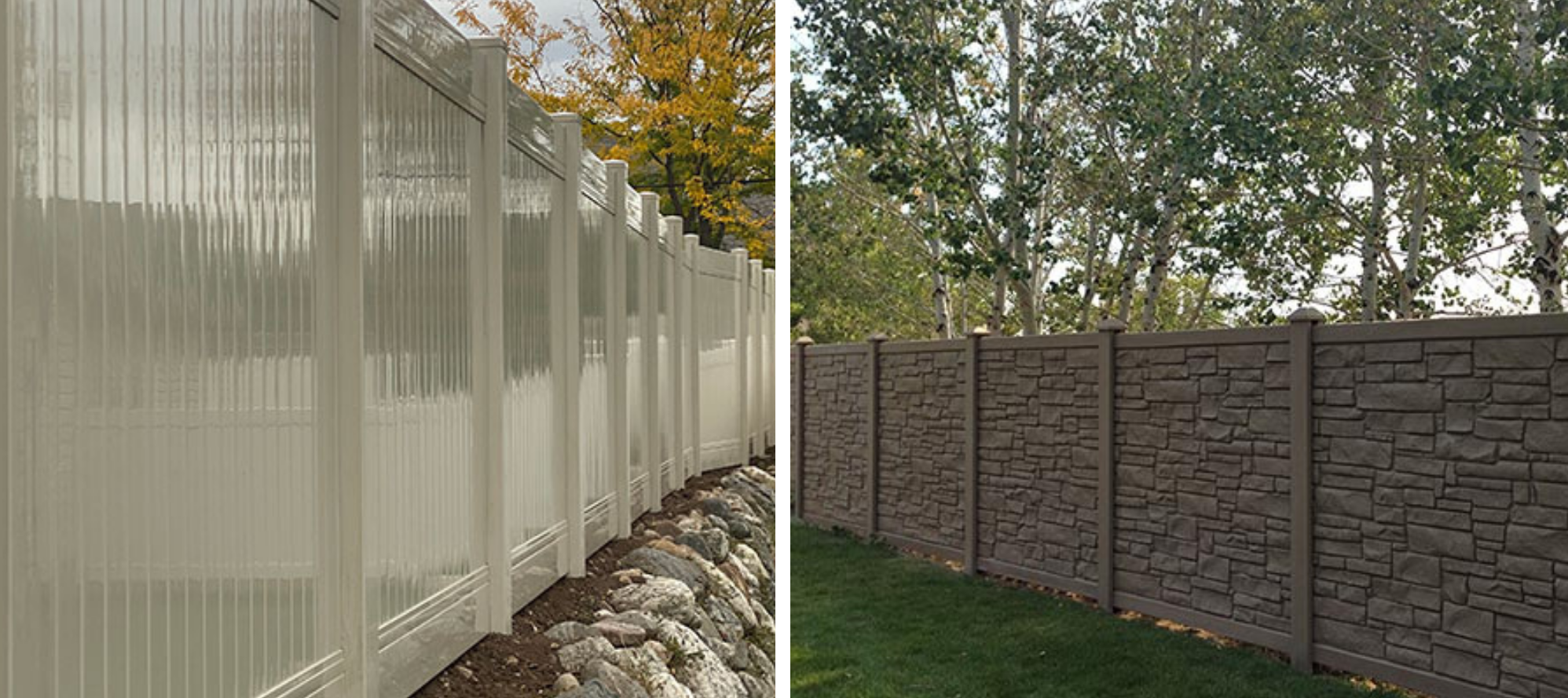
Heat Tolerance: Good-quality vinyl will remain stable in sun and heat, but low-grade panels can soften, warp, or even crack when continuously exposed to 95°F+ days, especially on south-facing lines. White or light gray vinyl fences reflect more sun, helping them stay cooler.
-
Maintenance: Dust, pollen, and mineral buildup from sprinklers is common in Utah. Vinyl is easy to clean—just rinse with a hose or use mild soap for tougher stains.
-
Longevity: With proper installation, a high-quality vinyl fence can last 20-30 years, but watch out for brittle panels after a decade in direct sun.
-
Cost: Vinyl is usually more affordable upfront compared to composite, especially for straightforward perimeter fences.
Potential Downsides:
-
Direct impacts (from wind-blown debris or kids’ balls) can crack vinyl.
-
Dark-colored vinyl heats up much more quickly and may deform faster.
Composite Fencing (Including Trex and SimTek): Does It Outlast Vinyl in Utah?
Composite fencing, which includes well-known brands like Trex and SimTek, blends wood fibers with recycled plastics for an ultra-durable, realistic look. Around Draper, Sandy, and Park City, these fences are gaining traction for both privacy and style.
Advantages:
-
Extreme UV and Fade Resistance: Composite’s color runs through the material—not just as a top layer—so fading is much less noticeable, even after years in full sun.
-
Heat Performance: While all plastics expand in heat, composite is reinforced with fibers that help reduce warping and bending, even on the hottest July afternoons.
-
Wind and Impact Strength: Because composite panels are thicker and denser, they’re less likely to snap or crack in wind gusts or from stray basketballs.
-
Low Maintenance: Similar to vinyl, composite requires only periodic rinsing. Stubborn mineral or dust stains can be gently scrubbed away.
-
Longevity: You get 25-30 years or more from top composite brands, with color and structure often outlasting vinyl in tough climates.
Potential Downsides:
-
On initial install, composite is typically 20-40% more expensive than vinyl.
-
Very dark shades still absorb heat, but hold their shape better than comparable vinyl.
Side-by-Side: Vinyl vs. Composite Fence Performance in a Northern Utah Summer
When stacked directly against each other for core performance factors, here’s how vinyl and composite fencing compare in local conditions:
| Factor | Vinyl Fence Utah | Composite Fence Utah (Trex/SimTek) |
|---|---|---|
| UV Resistance | Good (varies by brand) | Excellent (deep, intrinsic color) |
| Heat Tolerance | Good, but not as strong as composite; some risk of warping | Excellent; minimal warping under high heat |
| Color Fade | Some fade possible, especially low-cost or dark panels | Very minor fade, color lasts decades |
| Maintenance | Very low (just rinsing) | Very low (just rinsing) |
| Impact/Wind Resist. | Moderate | High (thicker, denser composition) |
| Upfront Cost | Lower | Higher |
| Longevity | 20–30 years, varies | 25–35 years, with better retention |
Which Fence Material Is Right for Your Utah Property?
Selecting between vinyl and composite comes down to your specific needs, aesthetics, and budget. Here are a few recommendations based on what works well for properties in Draper, Salt Lake City, and the surrounding valleys and foothills:
High-visibility backyards or pool enclosures: Go with composite fencing if your fence will be a main feature around entertaining spaces or the pool. Colors remain vibrant, panels stay straight, and durability is unmatched, ideal for long-term curb appeal even after years of summer UV.
Front yards and classic curb appeal: White or light gray vinyl is still a great choice. It offers a sharp look, excellent privacy, and resists common stains. Just be aware of position—south and west-facing stretches will perform best with the highest-quality brands.
Budget-sensitive boundary lines: If cost is your deciding factor, premium-grade vinyl remains unbeatable for straightforward installations where appearance and wind-loads are less critical.
Areas exposed to frequent wind: Composite’s extra density and flexibility mean fewer repairs down the road, making it well worth the upfront investment.
Whether you choose a vinyl fence or composite fence, make sure to work with a contractor who understands the specifics of soil, sun, and seasonal movement here in Utah’s counties. At Bear Creek Fencing & Backyard, A Utah Fencing Company, only materials and construction methods tested and proven across Northern Utah are recommended.
Request a Free, Localized Fencing Quote for Your Utah Home
Ready to find the right low maintenance fencing for Northern Utah that stands up to every Utah summer? Bear Creek Fencing & Backyard, A Utah Fencing Company, located in Draper, UT, proudly serves Salt Lake, Utah, Davis, Weber, Summit, and Wasatch counties with top-rated vinyl and composite fencing solutions. Call our local fencing experts at (866) 743-3623 or fill out our online form to schedule your free on-site consultation. See how professional-grade fences built for Utah’s heat can transform your property this season.